Solar Battery Maintenance Schedule for Kenyan Homes
A practical seasonal maintenance checklist to extend your solar battery lifespan and keep your home's power system reliable year-round.
See everything powerbanks.africa can do for you.
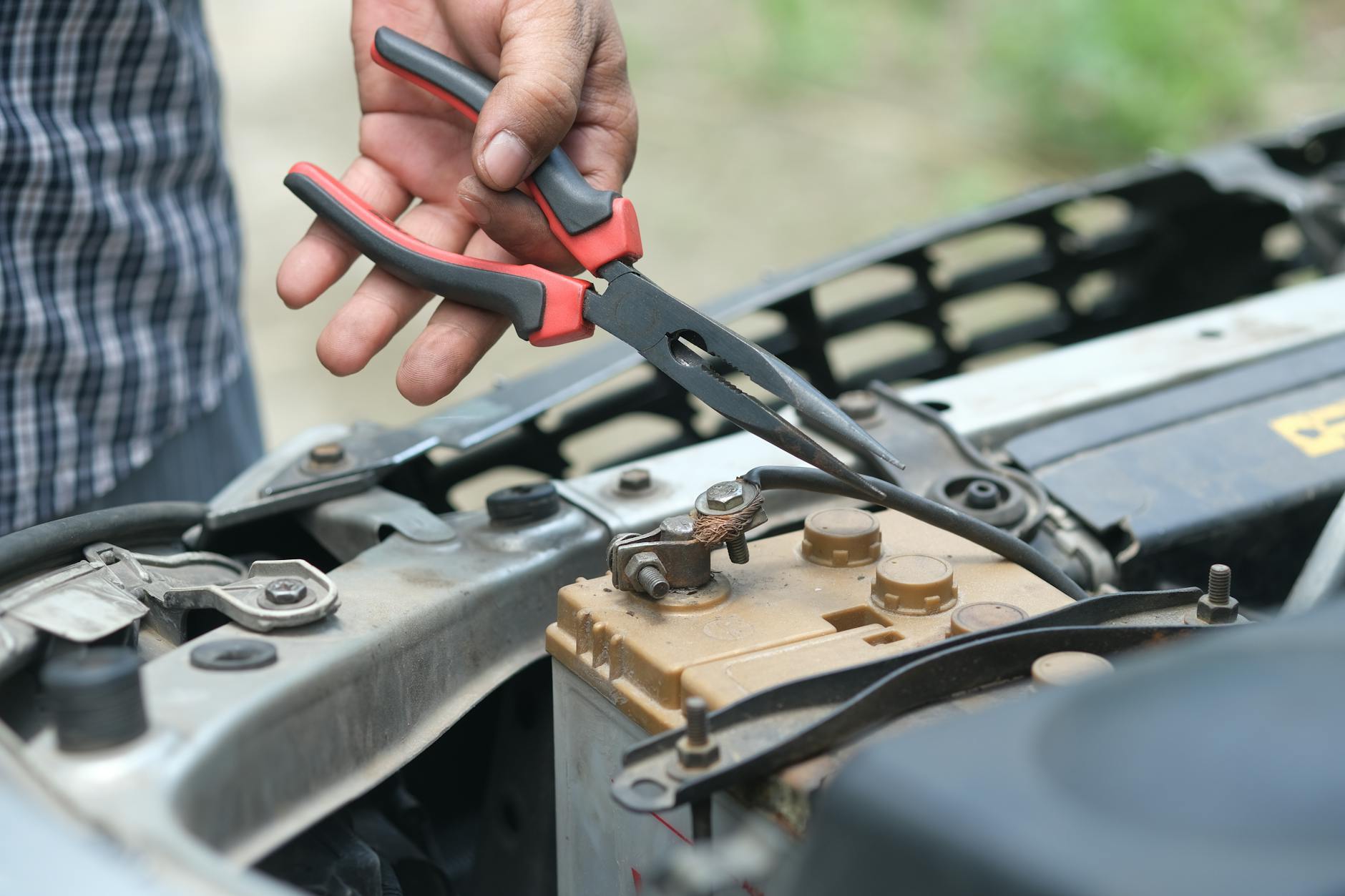
If your solar system stopped powering your home during the next blackout, the most likely reason would not be a faulty panel or a failed inverter. It would be a battery that quietly degraded because routine checks never happened. Following a consistent solar battery maintenance schedule Kenya homeowners can actually stick to is one of the most effective ways to protect the investment you made in backup power. Kenya's climate creates specific stresses that most battery manufacturers did not design for, and ignoring those stresses is expensive. Solar batteries are the single most cost-sensitive component in any home solar setup, and they deserve a structured care routine matched to local conditions. This guide gives you exactly that, broken into monthly tasks, seasonal adjustments, and battery-specific steps that any homeowner can carry out without specialist tools.
Why Your Solar Battery Maintenance Schedule Matters in Kenya
Kenya's climate is genuinely hard on battery chemistry. Temperatures along Thika Road and Mombasa's coastal strip regularly exceed 30 degrees Celsius for weeks at a stretch, and even highland towns like Nakuru see dust accumulation that clogs ventilation and traps heat around battery enclosures. Humidity during the long and short rains introduces moisture that accelerates corrosion on terminals and cable insulation. All three of those stressors work together to shorten battery life faster than any single factor would on its own. Preventive maintenance catches the early signs of each problem before they compound into an outright failure that costs tens of thousands of shillings to fix. A battery that might last eight years with proper care can fail in under four years when it is ignored, and that gap represents a real financial loss.
Monthly Checks Every Kenyan Homeowner Should Do
Visual Inspection of Terminals and Casing
Start each monthly check with a careful visual inspection of the battery case and terminals. Look for white or bluish powder on the terminals, which signals corrosion building up and increasing electrical resistance. Inspect the battery case itself for cracks, swelling, or any wet patches that could indicate an internal leak. Use a dry, firm brush to clean terminal surfaces gently, removing any powder or grime before it hardens into a layer thick enough to cause noticeable power loss. After cleaning, confirm that every cable connection is snug and that no wire shows signs of fraying or heat discoloration. Note your findings in a simple notebook, because that written record becomes useful when you compare conditions across several months.
Voltage Testing and Ambient Temperature Logging
After completing the visual inspection, use a basic multimeter to measure the resting voltage of each battery in your system. A reading that falls consistently below the expected range for your battery type is an early warning of a discharge pattern you need to address before it worsens. Allow the battery to rest for at least an hour after the last charge cycle ends before you take this reading, since a surface charge can make the voltage appear healthier than it actually is. Record the ambient temperature inside your battery enclosure at the same time you note the voltage, because temperature and voltage are closely linked and the two readings together tell a more complete story than either one alone. In hot months, a temperature reading that creeps upward from one month to the next is a practical signal to improve ventilation before performance suffers. Keeping both sets of numbers in the same log entry makes the data easier to review when you or a technician need to spot a trend.
Seasonal Maintenance for Your Solar Battery System
The Hot Dry Season: October to March
Kenya's hot dry period, running roughly from October to March, places the heaviest thermal load on battery systems across most of the country. During this season, increase your inspection frequency from once monthly to every two weeks, paying particular attention to whether heat is building up inside the battery enclosure beyond comfortable levels. Check that any ventilation openings in the enclosure remain clear of dust, because a blocked louvre during peak afternoon heat can raise internal temperatures by several degrees within hours. Clean the battery enclosure and the floor space around it every six weeks rather than every quarter during this period, since dust settles faster in dry conditions and acts like insulation on battery surfaces. If your setup includes an exhaust fan, test that it runs correctly during each visit so that you catch any fan failure before heat damage accumulates. Installing a reflective shade panel against any external wall that absorbs afternoon sun and sits adjacent to your battery storage area is a low-cost step that meaningfully reduces thermal stress on the cells inside.
The Rainy Season: April to May and October to November
When the long rains arrive in April and again with the short rains in October, your maintenance priorities shift from heat management to moisture control. Check that your battery housing drains properly and that no water pools near the base of the cabinet after heavy rainfall. Inspect all cable entry points into the enclosure for gaps where moisture can travel along the cable sheath and reach the terminals inside. Corrosion that develops slowly during the dry season can accelerate sharply when humidity rises, so clean terminals more thoroughly at the start of each rain season even if they appeared acceptable the month before. Look at the floor beneath the battery bank for signs of water ingress, because a damp concrete floor raises humidity inside even a well-sealed enclosure. Addressing moisture early costs very little, while replacing a corroded cable harness or a cell damaged by prolonged damp is a significant and avoidable expense.
Quarterly Load Testing
Every three months, regardless of season, run a practical load test by monitoring how your batteries charge during the day and discharge during evening hours under your normal household demand. Measure the time from the point at which your panels begin delivering meaningful current in the morning to the point at which the batteries reach their target state of charge. Compare that charging duration against your records from the previous quarter, because a battery whose capacity is fading will take longer to reach full charge under the same solar conditions. In the evening, note how many hours of useful power you get before the system reaches its low-voltage cutoff, and compare that figure against earlier entries in your log. A decline of more than ten percent across two consecutive quarters is a clear sign that intervention is needed, whether that is adjusting charge settings, equalising flooded cells, or planning for replacement. Quarterly load testing is the single most reliable way to detect gradual capacity fade before it becomes a sudden failure.
Battery Type Specific Maintenance for Flooded, AGM, and Gel
Flooded Lead-Acid Batteries
Flooded lead-acid batteries are the most common and the most demanding to maintain of the three types widely used in Kenyan homes. Every month, check the electrolyte level inside each cell and top it up with distilled water only, never tap water from a Nairobi household supply, because dissolved minerals contaminate the electrolyte and reduce capacity over time. Purchase distilled water from a reputable pharmacy or laboratory supplier and store a small reserve at home so that you are never tempted to substitute it with filtered or boiled tap water. Inspect the vent caps on each cell to confirm they are seated correctly and are not cracked, since a missing or damaged cap allows electrolyte to evaporate faster and creates a safety hazard if hydrogen gas cannot escape through the designed pathway. Every six months, carry out an equalisation charge, a controlled overcharge that balances the voltage across all cells and breaks down sulphation that builds up on the plates during normal cycling. Keep the area directly above the battery bank clear and well ventilated during equalisation, because the process produces hydrogen gas and a confined space creates a combustion risk.
AGM Batteries
AGM batteries are sealed, so they require no electrolyte top-ups, but that sealed construction does not mean they are maintenance-free. Inspect and clean their terminals on the same monthly schedule you would apply to flooded units, because corrosion develops just as readily on an AGM terminal as on any other. Check your charge controller settings every quarter to confirm that the absorption and float voltages match the specific figures your AGM manufacturer has published, since AGM cells are more sensitive to overcharging than flooded cells and a voltage that runs even one volt too high shortens their service life measurably. AGM batteries also dislike deep discharge, so review your inverter's low-voltage cutoff setting to make sure the system disconnects before the battery drops below 50 percent depth of discharge under normal use. Measure and record the resting voltage of each battery unit monthly, and flag any unit whose resting voltage consistently lags behind the others in the bank, because a single weak unit pulls down the performance of the entire string. Replacing one failing unit promptly costs less than replacing the whole bank after the weak unit has damaged its neighbours through repeated imbalanced cycling.
Gel Batteries
Gel batteries are the most sensitive of the three types to incorrect charging, and their maintenance routine reflects that sensitivity. Every season, review the charge controller's voltage settings against the gel manufacturer's specifications, because the silica electrolyte inside a gel cell can crystallise permanently if the charge voltage runs even slightly above the recommended ceiling. Once the gel has crystallised, the capacity loss is irreversible and no external maintenance can recover it. Keep gel batteries away from any heat source and inspect their storage environment every month to confirm that temperatures remain within the range the manufacturer specifies, which is typically lower than the threshold for flooded or AGM units. Clean the terminals and inspect the case on the same monthly schedule as the other battery types, and look specifically for any bulging of the casing, which indicates internal gas pressure that has built up because of overcharging or a faulty charge controller. Gel batteries reward careful temperature and voltage management with a long service life, so the investment of attention at the charge controller level pays back over many years of reliable cycling.
Temperature Control and Environmental Monitoring
Battery electrochemistry works most efficiently between 20 and 25 degrees Celsius, and performance begins to decline measurably once temperatures climb above 30 degrees. In many Kenyan homes, battery enclosures are placed in store rooms or against external walls that absorb heat through the afternoon, pushing internal temperatures well above that threshold by early evening. Installing a simple, inexpensive thermometer inside your battery enclosure costs very little but gives you accurate daily readings rather than guesses based on outside air temperature. Improving ventilation around the storage area by adding louvered panels or a small exhaust fan can reduce the ambient temperature inside the enclosure by five to ten degrees, which meaningfully extends the number of charge cycles your batteries can complete before degradation becomes noticeable. Temperature fluctuations matter almost as much as absolute peak temperature, because a battery that repeatedly swings from 18 degrees at night to 38 degrees in the afternoon experiences more physical stress on its internal plates than one held at a steady 28 degrees. Keeping storage conditions as consistent as possible across the year protects the structural integrity of the battery and delays the capacity fade that every battery eventually experiences.
When to Call a Professional and Keep Service Records
Some maintenance tasks are straightforward enough for any homeowner, but certain signs point to internal failure that requires professional assessment. An unexplained rapid voltage drop, where a fully charged battery reads correctly at midday but falls to critically low levels by early evening without matching the load you expect, is a strong indicator of internal cell damage that no amount of cleaning or top-ups will fix. A battery case that is visibly bulging, leaking acid, or producing a sulphurous smell needs immediate professional attention and likely replacement, since continuing to use it creates both a safety risk and potential damage to the rest of your solar system. Every time you carry out a maintenance check, write down the date, the voltage readings, the temperature you recorded, and any issue you observed or corrected, even if the issue seemed minor at the time. That written log becomes a diagnostic tool for any technician you bring in, because they can see trends across months rather than relying only on the snapshot in front of them. Having a documented history also helps you plan financially, since a record showing gradually declining voltage recovery across six months tells you that replacement is approaching and gives you time to budget for it.
Annual professional capacity testing, where a technician measures how much energy your batteries actually store compared to their rated capacity, validates that your system remains dependable and confirms whether the maintenance work you have been doing is producing the results you expect. This kind of external check is particularly valuable if you have been managing the system yourself without any formal training, because a trained technician will spot wiring issues, charge controller drift, and early cell imbalances that are easy to miss during routine owner checks. Ask the technician to inspect the full system rather than the batteries alone, since a failing charge controller can silently damage a healthy battery bank over several months. Request a written report from any professional visit and file it with your own maintenance log so that you have a single, complete record of the system's history. A record that spans two or three years gives you strong evidence when negotiating a warranty claim with a supplier or when deciding whether a repair or a full replacement makes better financial sense. Treating professional visits as part of a planned annual routine rather than as an emergency response keeps costs predictable and keeps your system in the best possible condition between visits.
Good maintenance does not require expensive equipment or advanced technical knowledge. A multimeter, a dry brush, a notebook, a thermometer, and about thirty minutes each month are all it takes to keep most home solar battery systems in reliable condition for years beyond what neglected systems manage. Kenya's climate makes the consequences of skipping maintenance more severe than they would be in a cooler, drier country, so the discipline of regular checks pays back in avoided replacement costs and uninterrupted power supply. Whether you run flooded, AGM, or gel batteries, the principles are consistent: keep connections clean and tight, monitor temperature, match your charging settings to your battery type, and record everything you observe. A homeowner who follows a structured routine will almost always get more useful life from their batteries than one who only checks when something goes wrong, and in a country where reliable grid power is not guaranteed, that extra life is genuinely valuable. The time you invest in following a proper solar battery maintenance schedule Kenya conditions demand is far smaller than the time and money you would spend recovering from a preventable failure.
See everything powerbanks.africa can do for you.
Visit powerbanks.africa →