Power Banks for Remote Work: Stay Productive Away From Outlets
Remote workers in Kenya need reliable power banks to maintain productivity during inconsistent grid power and load-shedding. A 50000mAh power bank with LED light, built-in cable, and fast charging supports all-day work across multiple devices, keeping you connected whether working from Nairobi co-spaces or the road.
See everything powerbanks.africa can do for you.
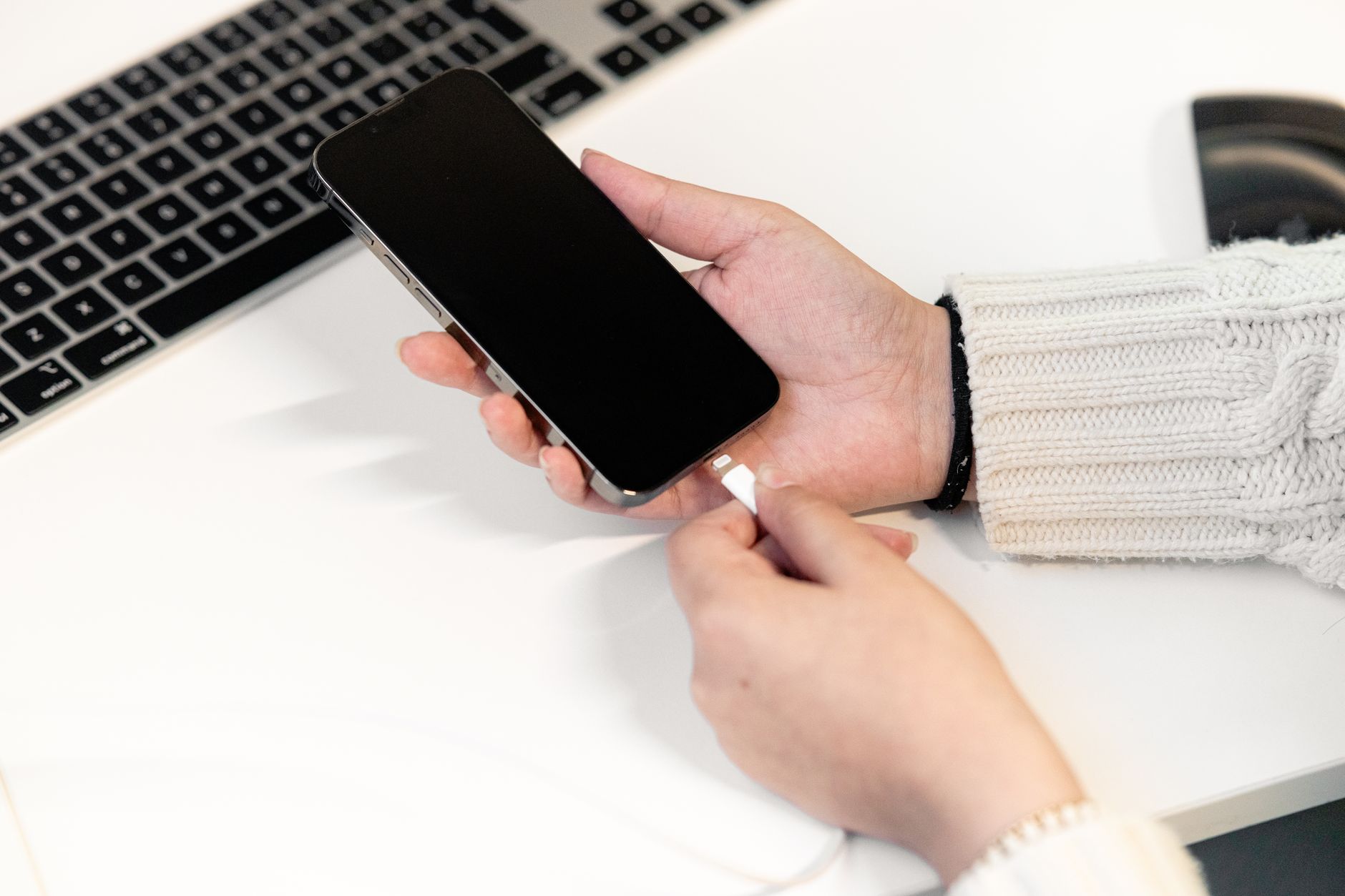
If you work remotely in Kenya, you already know that power is never something you can fully take for granted. Whether you are posting deliverables from a co-working space in Westlands, handling client calls from a home office in Kitengela, or working on the road between Nairobi and Mombasa, staying connected is non-negotiable. A reliable power bank is not a luxury for remote workers here. It is as essential as your laptop charger.
This article is part of our complete guide: Power Banks Best Prices.
Why Remote Workers Need More Than One Charging Solution
Grid power across Kenya remains inconsistent in many areas, and an unexpected outage in the middle of a deadline can cost you more than just time. Rural areas and even some Nairobi suburbs experience load-shedding that can stretch for several hours without warning. Relying solely on wall outlets means your productivity is tied to infrastructure you cannot control. Remote workers who depend entirely on the grid often find themselves scrambling to meet deadlines from a café with a two-socket wall and ten other laptops competing for space.
Working on a laptop also drains your phone battery far faster than office work does. When you use your phone as a mobile hotspot for your laptop, the battery can drop from full to empty in under four hours. That means you could lose your internet connection at the exact moment your video call matters most. A dedicated power bank keeps your phone charged and your hotspot running even when the nearest socket is across the room or across town. It is the one device that bridges the gap between work sessions without forcing you offline.
Capacity Matters: Sizing Your Power Bank for All-Day Work
If your remote work is relatively light, covering email, phone calls, and messaging, a power bank in the 10,000mAh to 20,000mAh range gives you enough juice to top up your phone two to four times before needing a recharge. That kind of capacity fits in a jacket pocket and adds almost no weight to a bag, which makes it practical for workers who move around a lot during the day. The trade-off is that lighter units typically cannot power more than one device at a time. For a freelancer who just needs a communication lifeline, this tier is often enough.
Heavy remote users who rely on video calls, streaming, and multiple running apps need significantly more headroom, and a 30,000mAh to 50,000mAh power bank is worth the extra size. A 50,000mAh unit can keep one smartphone fully charged for two to three days of normal use, or power a phone, a tablet, and a pair of wireless earbuds through a single long workday. That kind of capacity means you can leave your charging cable at home and still finish a full week of light use before the power bank itself needs a top-up. For anyone working from locations where wall power is scarce, this is the tier that changes how you work.
The LED light feature built into larger power banks like the 50,000mAh models we carry adds a dimension that most remote workers do not think about until they need it. Load-shedding hours in the evening often overlap with crunch time on projects, and a built-in LED light means you can keep working at your desk without fumbling for a torch. This single feature turns your power bank from a charging tool into a genuine productivity aid. It is a small detail that makes a measurable difference when the lights go out at 7 PM and your deadline is at 9 PM.
Multi-Device Charging for Your Complete Remote Setup
Most remote workers carry more than one device, and a power bank with dual USB ports lets you charge your phone and smartwatch at the same time without choosing between them. That matters more than it sounds when both devices are running low during a long stretch away from an outlet. Juggling one cable between two devices wastes time and risks missing a call while your phone is temporarily disconnected. Dual output ports solve this problem cleanly.
Built-in cables are another feature that rewards remote workers who are always on the move. Forgetting a charging cable at home when you are already at a café is the kind of small disaster that disrupts an entire morning. A power bank with a built-in Micro-USB, USB-C, or Lightning cable keeps everything together in one unit so there is nothing extra to remember or lose. It also cuts down the clutter on a small café table where you are trying to spread out and focus.
Fast charging output matters because slow chargers keep your phone tethered to the power bank longer than necessary. Look for a power bank with at least a 2A output per port, which will charge most modern smartphones from zero to usable in under an hour. Slow 1A output charges feel painfully slow when you are watching a low-battery warning during a call. Speed is not just convenience. It is a direct factor in how much downtime you experience between sessions.
Before you buy, match the power bank's port types to the devices you actually own. USB-C is now standard for most Android flagships and newer laptops, while Lightning remains the connector for iPhones, and Micro-USB still appears on older devices and many budget phones. Getting this detail wrong means carrying adapters, which defeats the purpose of built-in cables. Check your devices first, and choose a power bank that works with them out of the box.
Durability and Reliability You Can Depend On
A-grade batteries are the foundation of a power bank that holds up under daily professional use. Lower-grade cells degrade faster, deliver inconsistent output, and in some cases carry genuine safety risks including overheating. Multi-protection features such as overcharge protection, short-circuit protection, and temperature control prevent the kind of mid-workday failures that can damage your devices or simply leave you without power at the worst moment. These are not optional extras. They are the baseline for any power bank worth buying for serious work.
CE, FCC, and RoHS certifications are not just stickers. They represent independent verification that the power bank meets international safety and performance standards. CE certification covers European safety requirements, FCC applies to electromagnetic compatibility, and RoHS confirms that hazardous materials like lead and mercury are absent from the product. All power banks available from powerbanks.africa carry these certifications, which means you are not guessing about what is inside the casing. Certified products are less likely to overheat, and they are far less likely to damage the expensive devices plugged into them.
A one-year warranty does more than protect against a defective unit. It signals that the manufacturer stands behind what they have built. If a power bank fails within the first twelve months of normal use, you have a clear path to a replacement without eating the full cost yourself. For remote workers whose income depends on staying connected, that kind of coverage is a practical safeguard. Quality units combined with a genuine warranty represent a lower total cost of ownership than cheap replacements every few months.
The daily charge cycle adds up quickly for a remote worker. A power bank used five days a week goes through over 200 charge cycles in a year, and the battery chemistry in A-grade cells handles this far better than budget alternatives. Better cell quality means you will notice less capacity loss after six months of daily use. That consistency translates directly into predictable performance, which is exactly what you need when you are planning a full workday away from an outlet.
Keeping Your Power Bank Ready for Work Each Day
Charging your power bank fully overnight before the next workday is a simple habit that eliminates a lot of stress. Going into a work session with a half-charged unit is the same as starting the day with a half-full fuel tank. Make it a routine to plug in the power bank when you plug in your laptop at the end of the day. By morning, both are ready and you are not calculating how much charge is left before your first meeting.
Storing your power bank away from direct sunlight and heat significantly extends its lifespan. The interior of a car parked in the Nairobi sun can reach temperatures that accelerate battery degradation within a single afternoon. A cool, dry drawer or bag pocket is a far better home for your power bank when it is not in use. The cells inside behave like any lithium battery. Consistent heat shortens how long they hold a charge over time.
Using the power bank before it drops to zero also helps. Lithium batteries last longer when they are cycled between roughly 20 percent and 80 percent rather than repeatedly drained to empty. This does not mean you should never use the full capacity, but avoiding complete depletion on a daily basis will extend overall longevity. A 50,000mAh unit cared for properly typically delivers reliable performance for 18 to 24 months under daily use conditions.
Where to Get a Reliable Power Bank in Kenya
If you are in Nairobi and want to see and handle a power bank before buying, visit us at Mountain Mall on Thika Road. Our team can walk you through the options, explain the differences between capacity tiers, and help you find the right fit for how you actually work. Holding a 50,000mAh unit next to a 20,000mAh unit makes the size and weight trade-off immediately clear. That kind of hands-on comparison is hard to replicate from a product listing alone.
If you are based outside Nairobi or simply prefer the convenience of shopping from your desk, you can browse and order through our online store with delivery available across Kenya. Every purchase is backed by a one-year warranty regardless of whether you buy in person or online. Quality power banks do cost more upfront than the unbranded alternatives you might find at a street market, but they last significantly longer and do not carry the hidden cost of replacing damaged devices. For remote workers, that is not just a preference. It is a sound business decision.
Staying productive when you work away from a traditional office comes down to removing the variables you can control. You cannot always control the grid, the weather, or the café Wi-Fi. However, you can control whether your phone and devices stay charged through a full day of work. A durable, certified power bank from our store at Mountain Mall or online is one of the most straightforward investments a remote worker in Kenya can make, and the returns show up every single workday.
See everything powerbanks.africa can do for you.
Visit powerbanks.africa →