Power Bank Overheating: Why It Happens and How to Prevent It
Power bank overheating results from fast charging, poor ventilation, and low-grade battery cells. Quality devices with A-grade batteries, multi-protection circuits, and thermal sensors prevent dangerous heat buildup. Kenya's hot climate requires active thermal protection. Signs of danger include discomfort holding the device, rapid battery drain, unexpected shutdowns, or burning smells.
See everything powerbanks.africa can do for you.
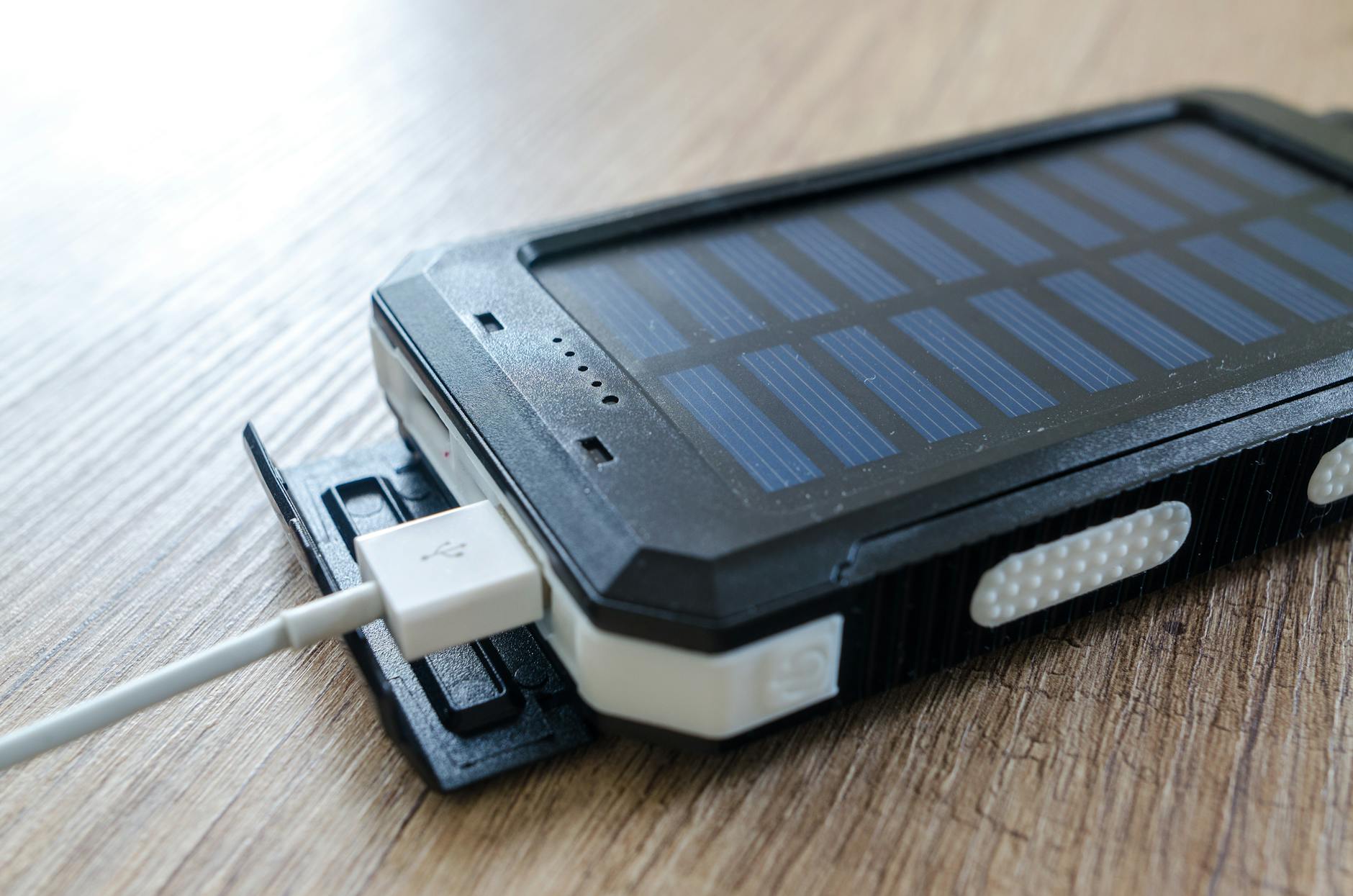
If you have ever picked up your power bank mid-charge and pulled your hand away quickly, you already know that some heat is normal but too much heat is a warning. Power banks work hard, moving large amounts of energy in short periods, and that process generates warmth. The difference between a minor inconvenience and a genuine safety hazard usually comes down to the quality of the device and how you use it. Understanding what causes overheating, and how to stop it, can protect your devices, your data, and your safety.
This article is part of our complete guide: Power Banks Best Prices.
Why Power Banks Overheat
Fast charging pushes a high volume of current through the battery cells in a compressed timeframe. That rapid flow of electricity creates internal resistance, and resistance produces heat as a byproduct. The faster the charging speed, the more heat accumulates inside the casing. In a well-designed power bank, thermal management systems handle this heat quietly. In a poorly built one, that heat has nowhere to go.
Ventilation matters more than most people realise when it comes to managing that heat. Many budget power banks have no meaningful airflow design, so warm air simply builds up around the battery cells. Even quality devices can struggle if you charge them while they are sitting on a thick blanket, tucked inside a bag, or pressed against another device. Give your power bank open space during charging and it will stay significantly cooler throughout the process.
The battery chemistry itself plays a huge role in how much heat a power bank generates. Low-grade or recycled cells have higher internal resistance than A-grade cells, which means they work harder to deliver the same amount of power and produce more heat while doing so. This is one of the core reasons cheap power banks get uncomfortably warm even during light use. The savings at the point of purchase rarely offset the risks that follow.
Kenya's climate adds another layer of complexity to thermal management. Charging a power bank on a matatu seat in the midday sun, or leaving one on a window sill in Mombasa's coastal heat, significantly raises the starting temperature before any charging even begins. Internal heat then stacks on top of already elevated ambient temperatures, pushing the battery cells well beyond their designed operating range. If you live or work in a hot environment, choosing a power bank with active thermal protection is especially important.
Signs Your Power Bank Is Overheating Dangerously
A warm power bank after heavy use is expected, but a power bank that becomes uncomfortably hot within ten to fifteen minutes of starting a charge is telling you something is wrong. You should be able to hold the device comfortably against your palm throughout normal operation. If that becomes difficult quickly, the internal temperature is likely already exceeding safe limits. Do not ignore this signal and continue charging.
Rapid battery drain during discharge is another sign that something is off internally. A healthy battery delivers a steady, predictable amount of charge to your phone before it depletes. When a power bank's battery is degrading or overheating, the cells become inefficient and lose capacity faster than they should. You might notice your phone only reaches sixty percent charge before the power bank dies, even though the indicator lights suggested more was available.
Unexpected shutdowns during charging are a built-in safety response, but frequent shutdowns indicate a deeper problem with the device. Some power banks shut themselves off when internal temperature sensors trip, which is actually a protective feature working correctly. However, if this happens regularly under normal conditions, the battery or the protection circuit may be failing. A device that cannot complete a standard charge cycle without cutting out is not safe to rely on.
Any burning smell or visible warping of the outer casing is a serious warning that requires immediate action. Stop using the power bank right away, move it away from flammable materials, and do not attempt to charge it again. Physical damage to the casing often means the battery cells inside have already experienced thermal stress that cannot be reversed. At this point, replacement is the only sensible option.
How Quality Batteries and Multi-Protection Stop Overheating
A-grade battery cells are manufactured with tighter tolerances and more consistent chemical composition than the recycled or off-specification cells found in cheap devices. This precision means lower internal resistance across the cell's lifespan, which directly translates to less heat generated per charge cycle. Many A-grade cells also include built-in thermal regulators that begin managing heat at the cell level, before it even reaches the power bank's external protection circuits. The result is a device that runs measurably cooler under the same workload.
Multi-protection circuits act as a second line of defence when the battery itself is not enough. These circuits monitor several variables at once, including voltage, current, and temperature, and adjust power flow automatically when any reading moves outside the safe range. If the battery temperature climbs toward its limit, the circuit throttles the current to slow down heat generation immediately. This kind of real-time adjustment is simply not present in unbranded, low-cost alternatives.
Over-temperature sensors take that protection one step further by cutting off charging entirely if temperatures reach a critical threshold. Rather than allowing the device to continue heating until something fails, the sensor initiates a controlled shutdown that protects both the power bank and whatever device is connected to it. Once the power bank cools to a safe temperature, it can resume normal operation. This is exactly the kind of safeguard that separates a thoughtfully engineered product from one built purely to a low price point.
Certifications such as CE and FCC exist because regulatory bodies set measurable standards for heat generation, electromagnetic interference, and electrical safety. A power bank that has earned these certifications has been tested by independent laboratories, not just self-declared safe by its manufacturer. RoHS certification adds the assurance that the materials inside the device meet restrictions on hazardous substances, which matters for long-term safety. Skipping certified products to save a few hundred shillings is a trade-off that rarely ends well.
Best Practices to Keep Your Power Bank Cool
Where you charge your power bank matters almost as much as which power bank you own. Choose a cool, dry surface away from direct sunlight, heating appliances, and other electronics that generate their own warmth. A wooden desk or a tiled countertop in a shaded room is a better choice than a car dashboard or a sunny windowsill. Simple habits like this extend battery lifespan and reduce the risk of heat-related damage significantly.
If you use a protective case or sleeve on your power bank, remove it during charging sessions. Cases are great for protecting the device during transport, but they trap heat during charging in the same way a jacket traps body heat on a warm day. Even a slim silicone cover can raise internal temperatures measurably when the device is already generating heat. A few minutes to remove the case before you plug in is a small habit that makes a real difference.
Avoid using your power bank as a pass-through charger where it charges from the wall while simultaneously charging your phone. This places the battery under dual stress, both receiving and discharging current at the same time, which generates significantly more heat than either process alone. Waiting until the power bank is fully charged before using it is the simplest way to avoid this particular source of heat. Your battery cells will last far longer as a result.
Storage conditions are equally important, especially in Kenya where temperatures inside parked vehicles can reach extreme levels within minutes. Never leave your power bank in a closed car, a sealed bag sitting in the sun, or any space where temperatures routinely climb above forty degrees Celsius. High storage temperatures accelerate chemical degradation inside the battery cells even when the device is not in use. Keep it somewhere that stays close to room temperature whenever possible.
Always use the charger that came with your power bank, or a quality certified alternative that matches the device's rated input specifications. Cheap chargers frequently deliver unstable voltage or current levels that are outside the range the power bank's protection circuits were designed to handle. Over time, this overstresses the battery and forces the thermal protection systems to work harder than they should. A quality charger is inexpensive insurance for a device you depend on daily.
When Overheating Means You Need a Replacement
If your power bank runs consistently hot after just one month of normal use, the battery cells have likely already experienced internal failure. New, quality cells do not develop serious thermal issues within weeks of purchase under standard conditions. Persistent heat at this stage usually points to a manufacturing defect, a substandard cell, or damage from a previous overheating event that compromised the battery's internal structure. Continuing to use the device after this point increases risk without offering any benefit.
A one-year warranty is a meaningful signal of how much a manufacturer trusts their own product. At powerbanks.africa, our power banks come with a one-year warranty that covers manufacturing defects, including those that cause unsafe overheating. If your device develops thermal problems within that period under normal use, you have a clear path to a resolution. A manufacturer that offers no warranty is essentially telling you not to expect the product to last.
Counterfeit and unbranded power banks are a genuine problem in the Kenyan market, and overheating is one of the most common ways they fail. These devices often use recycled cells pulled from old devices, assembled without any meaningful quality control or thermal protection. They may look identical to a certified product in photos or on a shop shelf, but the internals are fundamentally different. The absence of CE, FCC, or RoHS markings is a strong sign that no independent laboratory ever tested the device.
Upgrading to a properly certified, durable power bank is almost always more cost-effective than repeatedly replacing cheap ones. A quality 50000mAh power bank with built-in cables, multi-protection circuits, and A-grade cells will outlast two or three budget alternatives and do so without posing a safety risk. You can browse our range of certified power banks at our online store to find options that are built to last in Kenya's climate. Spending more once is a better outcome than spending less several times while dealing with the frustration and risk in between.
Overheating is one of the most preventable problems in portable electronics, and most of it comes down to two decisions: choosing a quality device to begin with, and treating it well throughout its life. Pay attention to the warning signs, follow the simple habits outlined here, and invest in a power bank that has genuinely earned its safety certifications. You will spend less time worrying and more time staying connected, wherever you are in Kenya.
See everything powerbanks.africa can do for you.
Visit powerbanks.africa →